The Growing Demand for Second-Hand Goods in the UAE: Market Trends
The demand for second-hand goods is experiencing a significant surge across the globe, and the UAE is no exception. As sustainability becomes a global priority, more consumers are opting for preloved items to save money, reduce waste, and embrace eco-friendly practices. This growing trend is reshaping the retail landscape in the UAE, where a blend of cultural shifts, economic considerations, and environmental awareness is driving the popularity of second-hand goods.
A Shift in Consumer Mindset
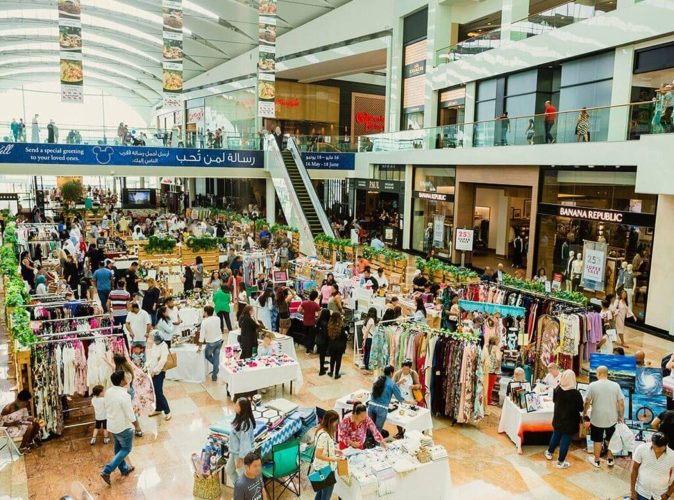
Historically, buying second-hand goods was often associated with necessity or limited resources. However, the narrative has shifted dramatically in recent years. Today, preloved items are sought after for their uniqueness, affordability, and environmental benefits. Consumers in the UAE are increasingly embracing this change, viewing second-hand shopping as a conscious choice rather than a compromise.
This shift is particularly evident among younger generations, such as millennials and Gen Z, who are more aware of the environmental impact of overproduction and waste. They are driving the demand for sustainable options, including preloved goods, as they seek to align their purchasing habits with their values.
Economic Factors Driving the Market
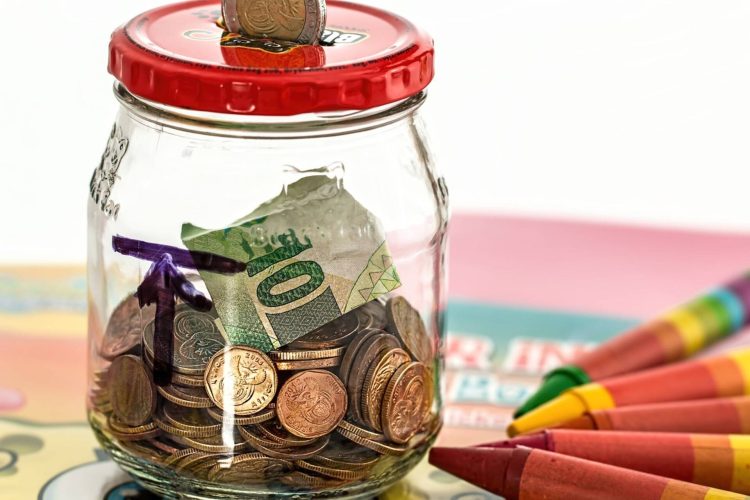
The UAE is a country known for its opulence and luxury, but even here, economic factors play a role in shaping consumer behavior. The COVID-19 pandemic brought financial uncertainty to many households, prompting people to rethink their spending habits. Buying second-hand goods offers a practical solution to save money without sacrificing quality or style.
Additionally, the rise in the cost of living has encouraged more UAE residents to explore affordable alternatives. Whether it’s preloved clothing, furniture, or electronics, second-hand items provide a cost-effective way to access high-quality products.
Environmental Awareness and Sustainability
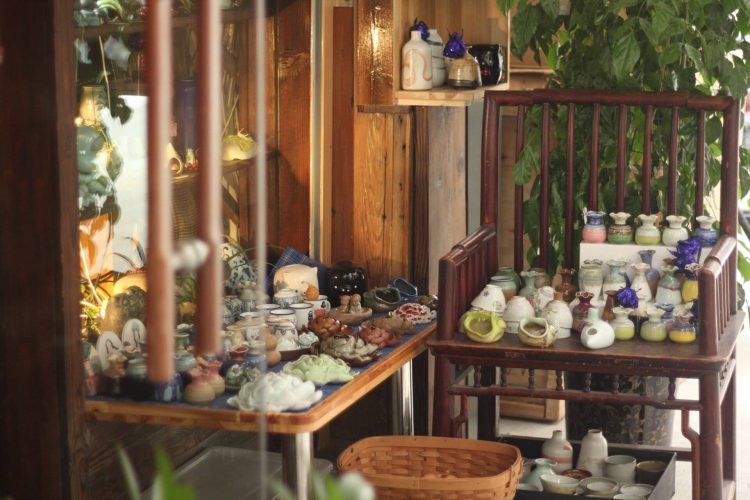
As global awareness of climate change and environmental degradation grows, sustainability has become a key consideration for consumers. The UAE, with its initiatives to promote a greener economy, has seen a surge in interest in sustainable practices, including the purchase of second-hand goods.
By choosing preloved items, consumers contribute to the circular economy, where goods are reused and recycled instead of discarded. This reduces waste, conserves resources, and minimizes the environmental footprint of production. For eco-conscious shoppers in the UAE, second-hand goods offer a tangible way to make a positive impact.
The Role of Technology

Technology has played a pivotal role in the rise of the second-hand goods market in the UAE. Online platforms, mobile apps, and social media have made it easier than ever to buy and sell preloved items. These digital tools provide consumers with access to a wide range of products, from clothing and accessories to home décor and electronics.
The convenience of online shopping has further fueled the demand for second-hand goods. Buyers can browse, compare prices, and make purchases from the comfort of their homes, while sellers can reach a larger audience. Technology has also enhanced transparency, allowing consumers to view detailed product descriptions, images, and reviews before making a purchase.
Cultural Acceptance of Second-Hand Shopping
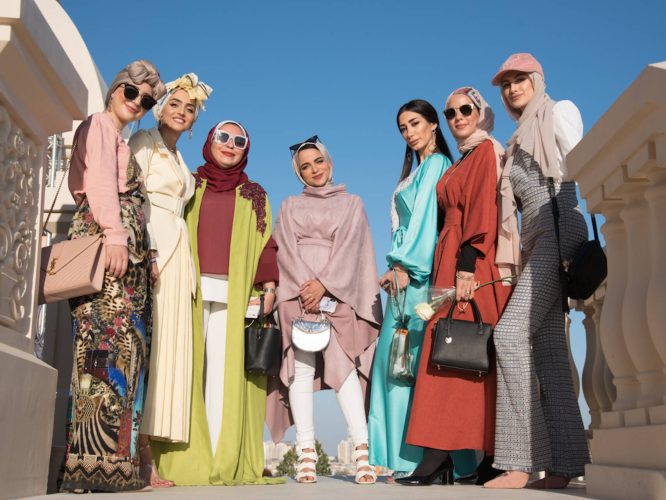
While the UAE is known for its luxurious shopping experiences, the cultural acceptance of second-hand goods is growing. Many residents now see preloved items as a way to acquire high-quality products at a fraction of the cost. Additionally, the appeal of finding unique and rare pieces has made second-hand shopping an exciting experience for many.
The expatriate population in the UAE has also contributed to the popularity of second-hand goods. Many expats move frequently, making them more likely to buy and sell preloved items as they transition between homes and countries.
Key Trends in the Second-Hand Market
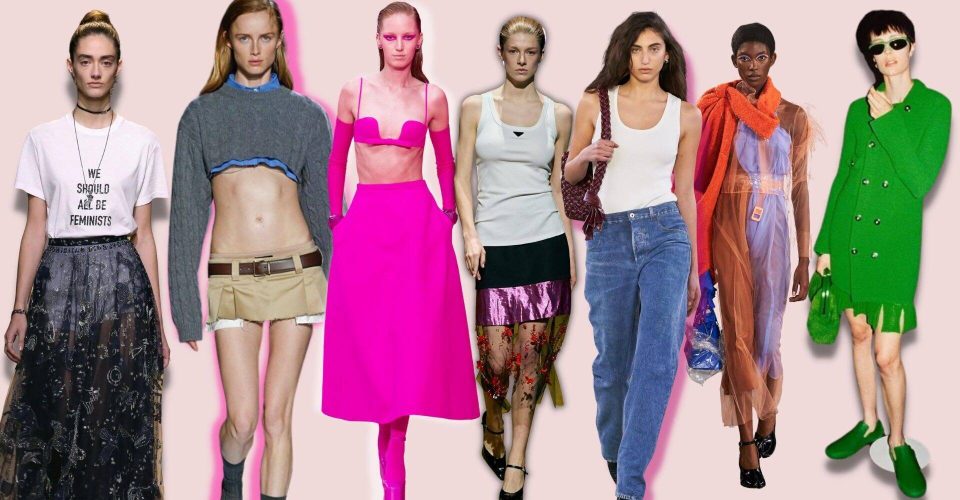
The second-hand goods market in the UAE is evolving rapidly, with several key trends shaping its growth:
- Luxury Second-Hand Goods
The UAE is home to a thriving market for preloved luxury items, including designer clothing, handbags, and accessories. Consumers are drawn to the opportunity to own high-end products at reduced prices, making luxury second-hand shopping a growing trend. - Furniture and Home Décor
With a transient population and a demand for affordable home furnishing solutions, the market for second-hand furniture and décor is expanding. From minimalist designs to unique vintage pieces, preloved furniture offers a range of options for UAE residents. - Electronics and Gadgets
Preloved electronics, such as smartphones, laptops, and gaming consoles, are in high demand due to their affordability and functionality. Buyers appreciate the opportunity to access the latest technology at a lower cost. - Sustainable Fashion
The popularity of sustainable fashion is driving demand for preloved clothing. Many shoppers are turning to second-hand options to reduce their environmental impact while staying stylish. - Children’s Items
Parents in the UAE are increasingly opting for second-hand toys, clothing, and baby gear as a practical and sustainable choice. These items are often in excellent condition, providing great value for families.
The Role of Businesses in the Second-Hand Market

Businesses play a crucial role in promoting and sustaining the second-hand goods industry. By offering curated collections, competitive pricing, and transparency, they create a reliable and enjoyable shopping experience for customers.
Companies like Brantage.ae are at the forefront of this movement, providing high-quality preloved goods while prioritizing sustainability and customer satisfaction. Their commitment to ethical sourcing, detailed product descriptions, and affordable prices ensures that customers can shop with confidence and purpose.
The Future of the Second-Hand Market in the UAE
The growing demand for second-hand goods in the UAE shows no signs of slowing down. As more consumers recognize the benefits of preloved items, the market is poised for continued growth. Several factors are likely to shape the future of the industry:
- Increased Awareness
Ongoing efforts to educate consumers about the environmental and economic benefits of second-hand shopping will drive further adoption. - Technological Advancements
Innovations in technology, such as AI-driven recommendations and virtual try-ons, will enhance the shopping experience and make second-hand goods more accessible. - Collaborations and Partnerships
Collaborations between second-hand businesses, brands, and sustainability advocates will strengthen the industry and promote its values. - Government Support
Policies and initiatives aimed at promoting sustainability and waste reduction will create a favorable environment for the growth of the second-hand market.
Conclusion
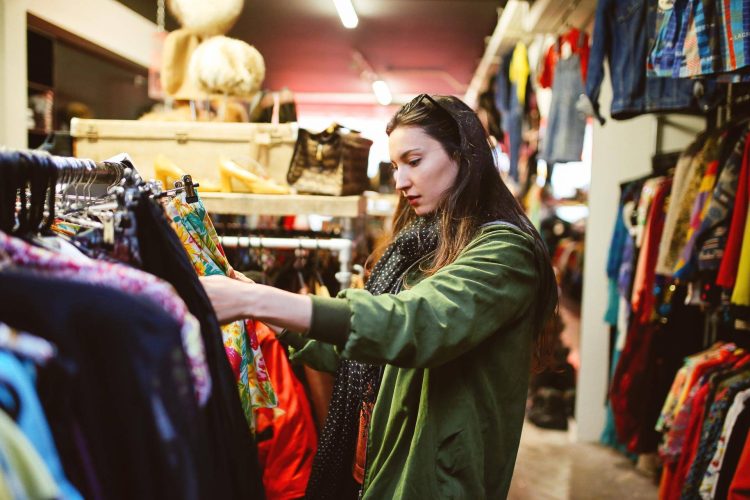
The rise of second-hand goods in the UAE reflects a broader global shift towards sustainable and conscious consumption. Driven by economic factors, environmental awareness, and technological advancements, the demand for preloved items continues to grow.
Businesses like Brantage.ae are leading the way, demonstrating that second-hand shopping can be stylish, affordable, and impactful. As more consumers embrace the benefits of preloved goods, the UAE is set to become a hub for sustainable and ethical retail, contributing to a greener and more responsible future.