The Importance of Transparency in the Pre-loved Goods Industry
The pre-loved goods industry has become a cornerstone of sustainable living, offering an eco-friendly alternative to fast fashion and overproduction. As the world embraces the concept of second-hand shopping, transparency has emerged as a vital component of the industry. For consumers, transparency ensures trust in the quality, sourcing, and pricing of pre-loved goods. For businesses like Brantage.ae, it reinforces their commitment to sustainability, ethical practices, and customer satisfaction.
Understanding Transparency in Pre-Loved Goods

Transparency in the pre-loved goods industry encompasses several aspects: clarity about product condition, sourcing, pricing, and business practices. For instance, when a customer purchases a second-hand item, they expect to know its previous usage, quality, and potential imperfections. A detailed classification system, such as grading conditions from “brand new” to “gently used,” empowers customers to make informed decisions.
For businesses, transparency goes beyond product descriptions. It includes sharing how goods are sourced, whether they come from individual sellers, wholesale suppliers, or donations. Consumers increasingly want to ensure their purchases align with their values, such as supporting local communities, reducing waste, or promoting fair trade.
The Role of Transparency in Building Consumer Trust

Consumer trust is the backbone of any industry, and the pre-loved goods sector is no exception. Transparency helps customers feel confident about their purchases, especially when they cannot inspect the item in person. When businesses clearly communicate product details, customers are less likely to encounter surprises or feel dissatisfied.
For example, providing information on the condition of items—whether they are slightly used, show minor wear, or have small imperfections—demonstrates honesty. Transparency also includes sharing clear return and exchange policies, ensuring customers know their rights if an item does not meet expectations.
At Brantage.ae, this approach ensures that customers receive high-quality, preloved items that align with their expectations. By fostering trust, transparency helps build long-term relationships with customers, turning one-time shoppers into loyal advocates for sustainable fashion.
Transparency and Ethical Sourcing

The rise of the pre-loved goods industry has brought attention to the importance of ethical sourcing. Transparency in sourcing practices reassures customers that the items they purchase are acquired responsibly. For instance, some businesses partner with local communities or organizations to source goods, ensuring fair compensation for contributors.
By openly sharing sourcing practices, businesses contribute to a sustainable and ethical ecosystem. This practice aligns with global movements advocating for fair trade and environmental conservation. For customers, knowing that their purchases support ethical practices adds value to their shopping experience, making them feel part of a positive change.
Ensuring Quality through Transparent Grading Systems
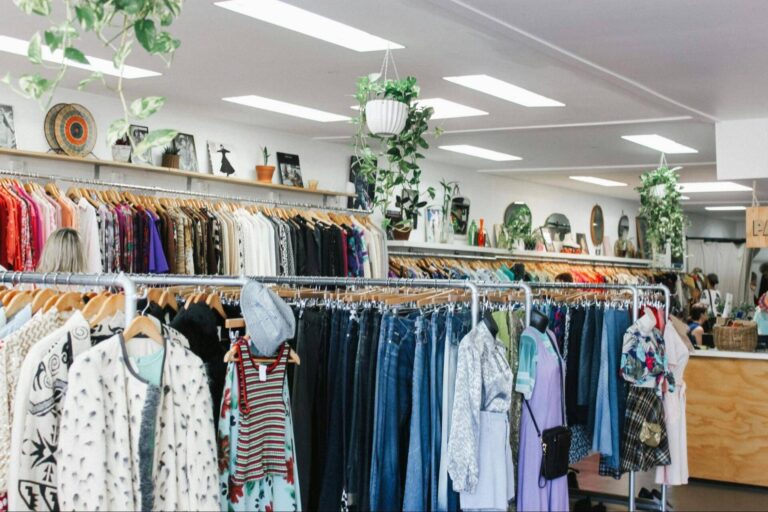
In the pre-loved goods market, quality assurance is crucial. A clear and transparent grading system helps businesses communicate the condition of items accurately. For example, categories like “brand new,” “10/10,” or “9/10” can indicate the item’s wear and quality.
A detailed grading system not only manages customer expectations but also establishes a standard for the business. This ensures that every item meets specific quality benchmarks, reducing the chances of returns or complaints. Transparency in grading also reflects a company’s commitment to integrity, which resonates with customers looking for reliability in their purchases.
The Impact of Transparency on Pricing

Pricing in the pre-loved goods industry can sometimes raise questions, as customers may wonder why a second-hand item costs a particular amount. Transparency in pricing addresses these concerns by breaking down the factors influencing the cost, such as brand value, item condition, and market demand.
When businesses explain their pricing models, they foster trust and credibility. For instance, high-end branded items might cost more than generic ones, even if they are preloved. Transparent pricing reassures customers that they are getting fair value for their money.
Brantage.ae uses this approach to balance affordability with quality. By clearly communicating the pricing rationale, the company ensures customers understand the value of their purchases, creating a sense of satisfaction and fairness.
Transparency and Sustainability

Sustainability is a core value of the pre-loved goods industry, and transparency plays a vital role in achieving it. Customers want to know how their purchases contribute to reducing waste, conserving resources, and minimizing the environmental impact.
Businesses that share their sustainability practices—such as recycling processes, waste reduction strategies, and eco-friendly packaging—reinforce their commitment to the planet. Transparency in sustainability efforts builds credibility and strengthens the brand’s reputation as a leader in responsible consumption.
At Brantage.ae, sustainability is woven into every aspect of the business. By transparently showcasing their dedication to eco-friendly practices, they inspire customers to make choices that align with their values, promoting a greener future.
Challenges of Maintaining Transparency

While transparency offers numerous benefits, it also presents challenges. For businesses, maintaining transparency requires investment in processes, training, and technology to accurately communicate product details, sourcing, and pricing.
Another challenge lies in managing customer expectations. Despite clear communication, some customers may still feel dissatisfied if their interpretation of transparency differs from what is provided. Addressing these concerns requires ongoing dialogue and a commitment to continuous improvement.
How Technology Enhances Transparency

Technology has revolutionized the way businesses communicate with customers, offering tools to enhance transparency in the pre-loved goods industry. Features like detailed product listings, high-quality images, and customer reviews provide valuable information to buyers.
For example, online platforms can include interactive grading systems that allow customers to understand item conditions more clearly. Additionally, tracking tools can showcase the journey of an item from sourcing to sale, offering insights into ethical practices.
Brantage.ae leverages technology to create a seamless shopping experience, ensuring customers have access to all the information they need. By embracing digital solutions, they make transparency a fundamental part of their operations.
The Role of Transparency in Customer Education

Transparency goes hand in hand with customer education. By sharing information about the benefits of preloved goods, ethical sourcing, and sustainable shopping, businesses empower customers to make informed choices.
Educational initiatives, such as blogs, videos, and social media campaigns, highlight the importance of supporting the pre-loved goods industry. These efforts create awareness and inspire customers to embrace sustainable practices.
At Brantage.ae, customer education is a priority. By providing resources and insights, they encourage shoppers to see the value in preloved goods, fostering a culture of responsible consumption.
Transparency as a Differentiator

In a competitive market, transparency sets businesses apart. Customers are more likely to choose brands that align with their values and demonstrate authenticity. Transparency acts as a differentiator, positioning businesses as trustworthy leaders in the pre-loved goods industry.
For Brantage.ae, transparency is not just a business strategy—it is a core value. By prioritizing honesty, ethical practices, and sustainability, they create a unique identity that resonates with conscious consumers.
The Future of Transparency in the Pre-Loved Goods Industry

As the pre-loved goods industry continues to grow, transparency will remain a driving force. Businesses that embrace transparency will thrive, building strong relationships with customers and contributing to a sustainable future.
Advancements in technology, such as blockchain, could further enhance transparency by providing verifiable data on sourcing, pricing, and sustainability efforts. These innovations will shape the industry, setting new standards for accountability and trust.
Conclusion

Transparency is the foundation of the pre-loved goods industry, fostering trust, ensuring quality, and promoting sustainability. For businesses like Brantage.ae, transparency reflects their commitment to ethical practices and customer satisfaction.
By embracing transparency, businesses not only meet customer expectations but also contribute to a more sustainable and ethical future. As the demand for preloved goods grows, transparency will continue to play a pivotal role in shaping the industry, inspiring consumers to make choices that benefit both their lives and the planet.